

Introduction
The global industrial sector is constantly evolving, with a strong focus on materials that offer durability, flexibility, and cost efficiency. Among the many innovations in material science, nylon yarn has become a cornerstone in modern manufacturing due to its superior strength and adaptability.
From textiles and automotive applications to industrial and consumer goods, nylon yarn is widely used across multiple sectors. Businesses worldwide are increasingly collaborating with reliable synthetic fiber & monofilament exporters to ensure a steady supply of high-quality materials that meet international standards.
What is Nylon Yarn?
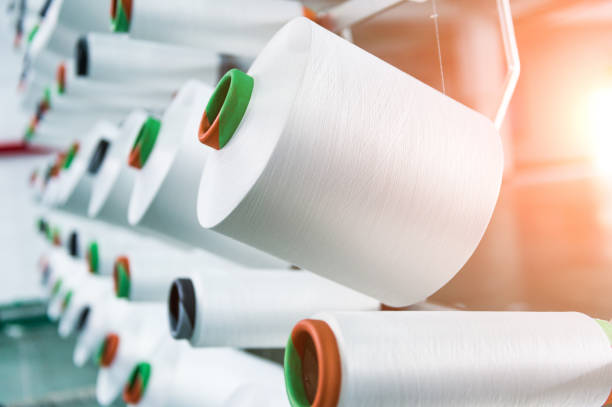
Nylon yarn is a synthetic fiber made from polyamide polymers. It is known for its exceptional strength, elasticity, and resistance to wear and tear. Since its invention, nylon has revolutionized the textile and industrial sectors by offering a reliable alternative to natural fibers.
Manufacturers produce nylon yarn in various forms, including filament yarn, textured yarn, and industrial-grade yarn, each designed for specific applications. Companies sourcing premium materials often rely on Nylon yarn suppliers to meet their production requirements with consistent quality.
Key Properties of Nylon Yarn
Nylon yarn stands out due to its unique combination of properties, making it highly versatile and dependable.
1. High Tensile Strength
Nylon yarn is incredibly strong, allowing it to withstand heavy loads and stress without breaking. This makes it ideal for industrial applications.
2. Excellent Elasticity
Its ability to stretch and return to its original shape ensures long-lasting performance, especially in textiles and apparel.
3. Resistance to Abrasion
Nylon yarn is highly resistant to wear and tear, making it suitable for products that experience frequent use.
4. Lightweight and Durable
Despite its strength, nylon yarn is lightweight, making it easy to handle and process.
5. Chemical and Moisture Resistance
It performs well in harsh environments, resisting damage from chemicals and moisture.
Applications of Nylon Yarn Across Industries
Nylon yarn is used in a wide range of industries due to its adaptability and performance.
1. Textile Industry
In the textile sector, nylon yarn is used for clothing, hosiery, sportswear, and home furnishings. Its elasticity and durability make it a preferred choice for high-performance fabrics.
2. Automotive Industry
Nylon yarn is used in seat belts, airbags, and interior components due to its strength and safety features.
3. Industrial Applications
It is widely used in ropes, conveyor belts, and industrial fabrics that require high durability and resistance.
4. Fishing and Marine Sector
Nylon yarn is commonly used in fishing nets and lines due to its strength and resistance to water.
5. Medical Applications
In healthcare, nylon yarn is used in surgical sutures and medical devices where precision and reliability are critical.
Role of Synthetic Fiber & Monofilament Exporters
The increasing demand for nylon yarn and other synthetic materials has highlighted the importance of reliable exporters. These exporters ensure that industries receive high-quality materials tailored to their specific needs.
Businesses often partner with trusted synthetic fiber & monofilament exporters to maintain consistent supply chains and meet production deadlines.
Why Exporters Are Essential
- They provide access to global markets
- They maintain strict quality standards
- They offer a wide range of products
- They ensure timely delivery and logistics support
Advantages of Using Nylon Yarn
Choosing nylon yarn offers several benefits for manufacturers and businesses:
1. Enhanced Product Durability
Products made with nylon yarn last longer, reducing replacement costs.
2. Cost-Effective Solution
Its durability and low maintenance requirements make it a cost-efficient choice.
3. Versatility
Nylon yarn can be used in a variety of applications, making it highly adaptable.
4. Consistent Performance
It delivers reliable performance even under challenging conditions.
Factors to Consider When Choosing a Supplier
Selecting the right supplier is crucial for ensuring quality and reliability. Here are some key factors to consider:
1. Quality Assurance
Ensure the supplier follows international quality standards and testing procedures.
2. Product Variety
A wide range of products indicates expertise and capability.
3. Customization Options
Suppliers should be able to tailor products based on specific requirements.
4. Industry Experience
Experienced exporters understand market demands and can deliver better solutions.
5. Strong Supply Chain
A reliable supply chain ensures timely delivery and consistent availability.
Innovation in Nylon Yarn Manufacturing
Technological advancements have significantly improved the quality and functionality of nylon yarn. Modern manufacturing processes focus on enhancing performance while reducing environmental impact.
Some key innovations include:
- High-performance yarns for technical textiles
- UV-resistant nylon for outdoor applications
- Heat-resistant fibers for industrial use
- Anti-microbial coatings for healthcare applications
These innovations allow industries to achieve higher efficiency and better results.
Sustainability in Synthetic Fiber Industry
As sustainability becomes a global priority, manufacturers are adopting eco-friendly practices in synthetic fiber production.
Sustainable Practices Include:
- Recycling raw materials
- Reducing energy consumption
- Developing biodegradable fibers
- Minimizing waste during production
These efforts help reduce the environmental impact while maintaining high-quality standards.
Future Trends in Nylon Yarn Industry
The demand for nylon yarn is expected to grow significantly in the coming years. Some emerging trends include:
1. Expansion of Technical Textiles
Technical textiles are driving demand for high-performance materials like nylon yarn.
2. Increased Focus on Sustainability
Eco-friendly production methods will become more important.
3. Advancements in Manufacturing Technology
Automation and precision engineering will improve product quality and efficiency.
4. Customization and Innovation
Manufacturers will continue to develop specialized products for specific industries.
Conclusion
Nylon yarn has become an indispensable material in modern industries due to its strength, durability, and versatility. Its wide range of applications—from textiles and automotive to healthcare and industrial use—highlights its importance in today’s manufacturing landscape.
Businesses that collaborate with reliable synthetic fiber & monofilament exporters can ensure access to high-quality materials that enhance product performance and longevity. As technology advances and sustainability becomes a priority, nylon yarn will continue to play a vital role in shaping the future of industrial development.
Investing in high-quality nylon yarn today is a strategic step toward building stronger, more efficient, and future-ready businesses.